

MSN: Psychiatric Mental Health Nurse Practitioner

MSN: Psychiatric Mental Health Nurse Practitioner
MSN: Psychiatric Mental Health Nurse Practitioner
The MSN: Psychiatric/Mental Health Nurse Practitioner program option offers registered nurses the opportunity to expand their scope of practice to include the care of individuals, families, and groups with psychiatric and mental health needs.
Our lifespan curriculum is a synthesis of knowledge from nursing science, neuroscience, behavioral change theories, motivational theories, learning theories, and other psychotherapeutic frameworks to provide a holistic perspective for assessing, diagnosing, treating, managing, and evaluating acute and chronic mental illnesses.
You will learn about neuropsychopharmacology, interprofessional collaborative practice, crisis intervention, trauma-informed care, health policy, family systems theory, psychotherapy, group therapy, care of vulnerable populations, promotion of mental health and prevention of mental illness, substance use and co-occurring disorders, and other mental illnesses across the lifespan.
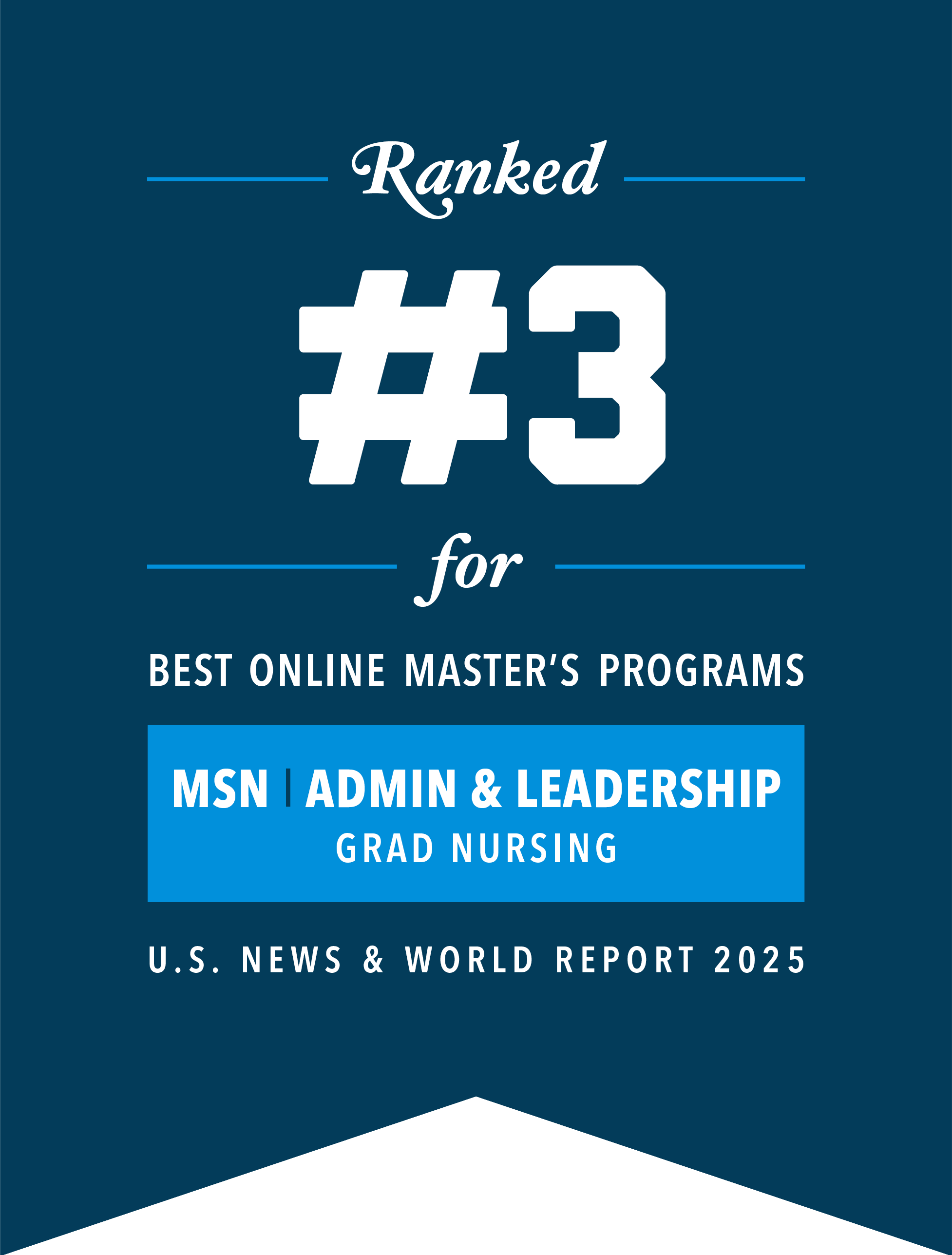
U.S. News & World Report rankings


Overview:
8 Semesters
Online
Full-Time
Master of Science in Nursing
Next Start: Fall
38 Credits
600 Clinical Hours
Tuition & Aid
Estimated Cost: $1500 / credit hour
Lorem ipsum dolor sit amet, consectetur adipisici elit, sed eiusmod tempor incidunt ut labore
Application
Deadline:
Register for an info session

Awards and Rankings
96.05%
NCLEX First-Time Pass Rate
#22
Best BSN Program in the Nation
4%
of all 681 Ranked BSN Programs
15
Months to Your BSN
Are You Ready to Be a GW Nurse?
Your new career is closer than you think. Request information today to get our official ABSN program guide and connect with an admissions advisor.
Request Information Meet with an Admissions Advisor Submit Your Application
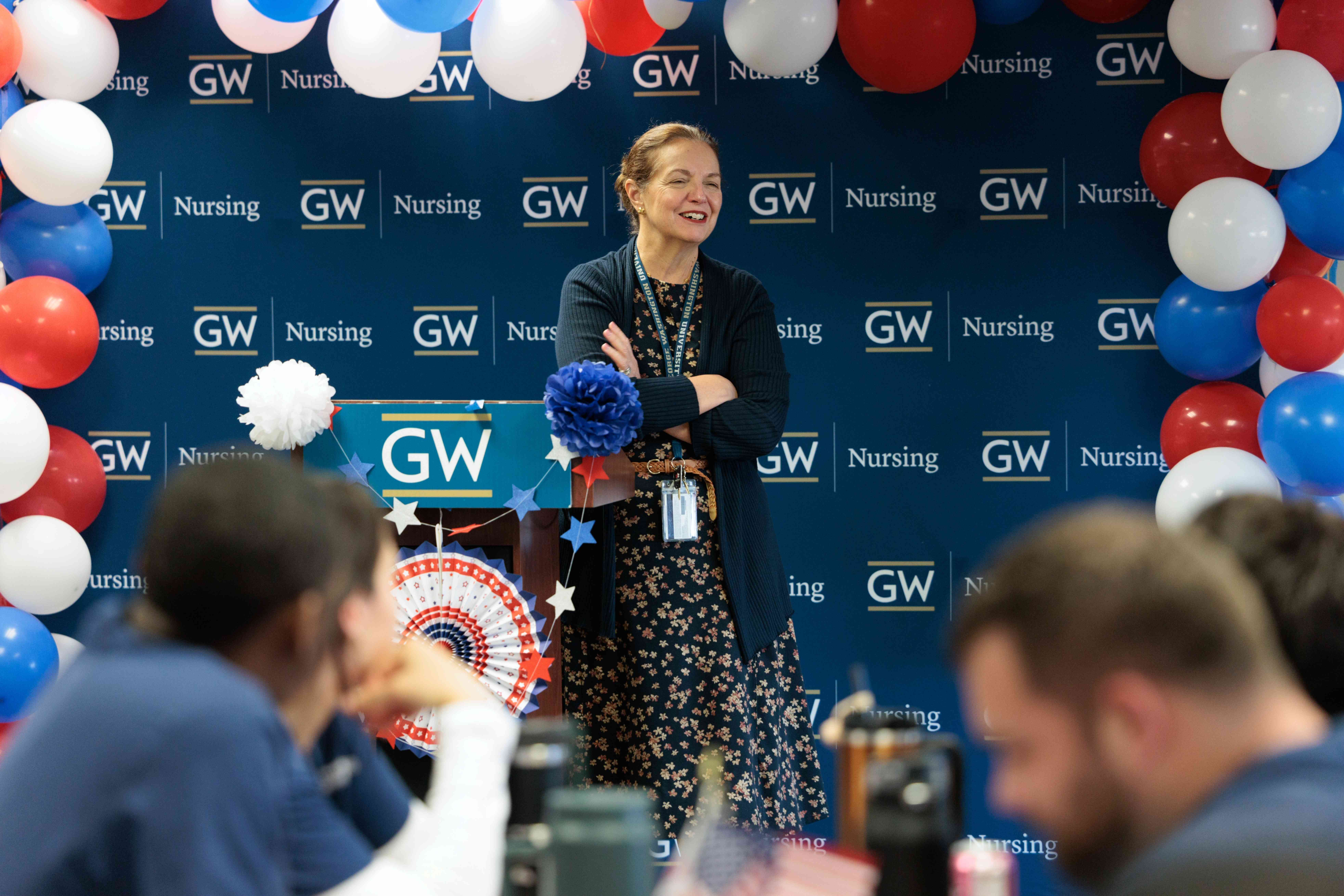
Fireside Chat with the Program Director
'Lorem ipsum dolor sit amet, consectetur adipisici elit, sed eiusmod tempor incidunt ut labore et dolore magna aliqua. Ut enim ad minim veniam, quis nostrud'
Person Name
GW Affiliation Line

Value Prop & Rankings
This Is Where Policy, Practice, and Compassion Meet.
Why choose GW? From day one, students are immersed in evidence-based psychiatric practice with strong support from
faculty mentors. The program emphasizes clinical reasoning, ethical practice, and leadership in behavioral health settings.
Flexible Learning Format
Designed for working professionals, the program offers an engaging online
format supported by asynchronous learning and interactive sessions.

Commitment to Diversity & Advocacy
The PMHNP program emphasizes cultural competency, health equity, and
advocacy for vulnerable populations

Integrated Holistic Curriculum
The program combines biological, psychological, and social frameworks to equip students with a comprehensive understanding of mental health across the lifespan.
Clinical Excellence
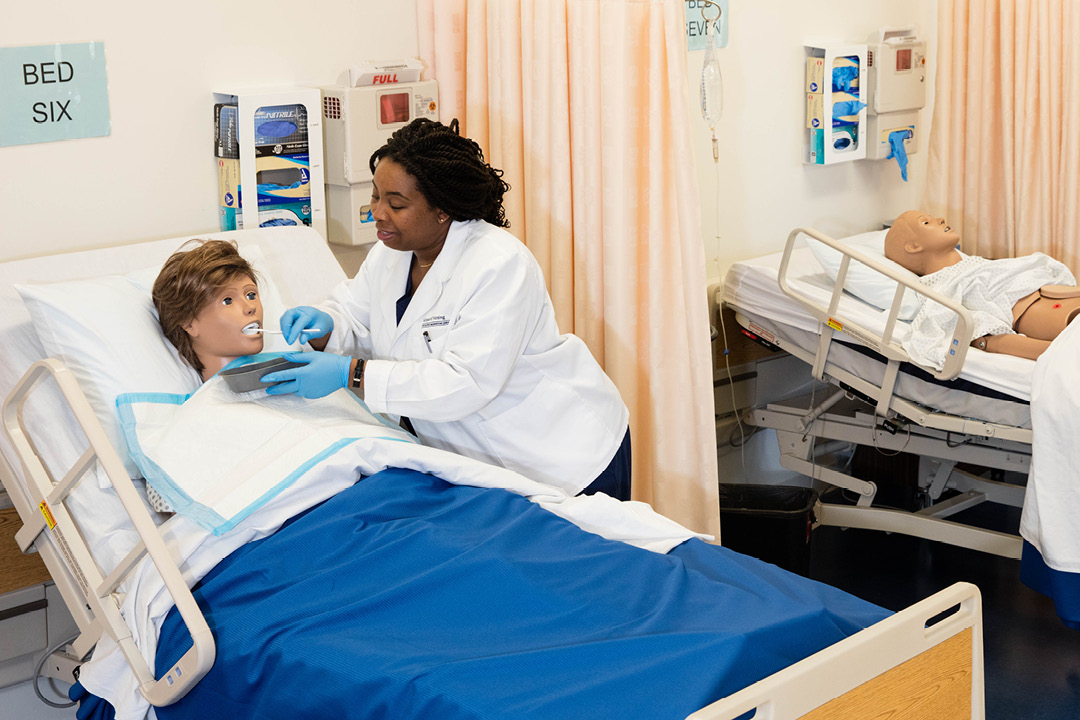
Students gain exposure through diverse clinical placements, including community
mental health, primary care, and telepsychiatry, ensuring real-world readiness.
Expert Faculty
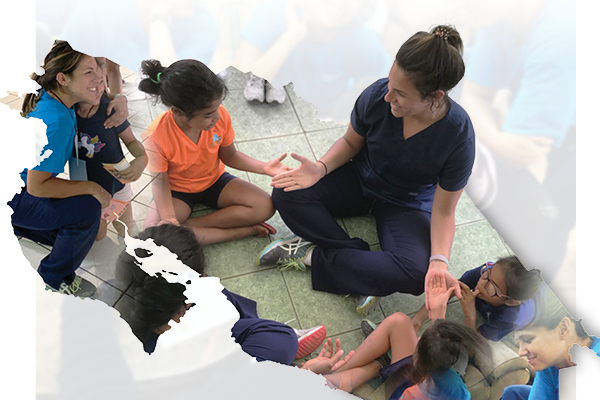
Courses are led by nationally recognized clinicians, researchers, and policy advocates in psychiatric nursing and behavioral health.
From Student to Nurse in Eight Semesters
Headline (optional)
Our curriculum is a purposeful sprint, designed to build your expertise from the ground up. You'll move from fundamentals to complex care, supported by expert faculty every step of the way. The MSN: Psychiatric/Mental Health Nurse Practitioner program consists of 50 credit hours and 600 clinical hours. Clinical placements are supported by the school’s dedicated placement team.
Headline (optional)
The program is offered part-time and online, providing flexibility for working professionals. It integrates didactic coursework with precepted clinical experiences arranged collaboratively between students and the program. Questions about program requirements should be directed to the program director, Tony Roberson. For a full listing of courses and descriptions, please visit the University Bulletin.
- Overview / The Coursework
The GW School of Nursing offers you a rich and comprehensive PMHNP program of study. Our program is unique in that we provide our students with a comprehensive education, along with clinical experiences, that are focused on the psychological development and mental health treatment across the lifespan. The PMHNP program at GW also focuses on the various treatment modalities in psychiatric mental health, including medication intervention and individual, family, and group therapy. The certification pass rates of our graduates rank in the top percentile of all PMHNP programs, and alumni of the program go on to pursue a wide range of successful and rewarding careers.
- What’s it like to be a Psychiatric Mental Health Nurse Practitioner (PMHNP)?
Being a Psychiatric Mental Health Nurse Practitioner (PMHNP) is both a challenging and rewarding career. PMHNPs are advanced practice registered nurses who specialize in mental health care. They work with patients of all ages, from children to the elderly, providing comprehensive mental health services. The role involves diagnosing mental health conditions, developing treatment plans, and providing therapy. PMHNPs often work closely with other healthcare professionals, including psychiatrists, psychologists, social workers, and primary care providers, to ensure holistic care for their patients.
The work can be emotionally demanding, as PMHNPs often deal with patients experiencing severe mental health crises. However, it is also incredibly fulfilling to help patients improve their mental health and overall well-being. PMHNPs often develop strong relationships with their patients, guiding them through their recovery journeys and supporting them in managing their conditions long-term.
- What Do PMHNPs Do?
PMHNPs perform a variety of tasks, including:
- Assessment and Diagnosis: PMHNPs conduct thorough assessments to diagnose mental health conditions. This may involve interviews, physical exams, and the use of diagnostic tools.
- Treatment Planning: They develop individualized treatment plans that may include medication management, psychotherapy, and other interventions.
- Therapy: PMHNPs provide different types of therapy, such as cognitive-behavioral therapy (CBT), dialectical behavior therapy (DBT), and psychodynamic therapy.
- Medication Management: They prescribe and monitor medications, adjusting dosages as necessary and managing side effects.
- Patient Education: PMHNPs educate patients and their families about mental health conditions, treatment options, and coping strategies.
- Collaboration: They work as part of a multidisciplinary team to provide comprehensive care to patients.
- Advocacy: PMHNPs advocate for their patients' needs within the healthcare system and in the community.
- Standout Courses and Assignments
- Image
Standout Courses & Experiences
- Advanced Psychopharmacology
- Addictions and Change
- Psychiatric/Mental Health Diagnostic Assessment Across the Lifespan
- Psychiatric/Mental Health Advanced Practice Nursing with Individuals Across the Lifespan
- Psychiatric/Mental Health Advanced Practice Nursing with Families and Groups
Image
Sample Course Assignment:
Students develop a comprehensive psychiatric evaluation and treatment plan for a simulated patient case. This assignment integrates diagnostic reasoning, psychopharmacology, and therapeutic interventions using standardized patients, Go React, and VoiceThread presentations.
Courses use Blackboard, VoiceThread, ExamSoft, and Go React. Students have access to the Himmelfarb Library.
- On- and Off- Site Experience
- Image
Headline (optional)
Body Copy: Lorem ipsum dolor sit amet, consectetur adipisici elit, sed eiusmod tempor incidunt ut labore et dolore magna aliqua. Ut enim ad minim veniam, quis nostrud
Image
Headline (optional)
Body Copy: Lorem ipsum dolor sit amet, consectetur adipisici elit, sed eiusmod tempor incidunt ut labore et dolore magna aliqua. Ut enim ad minim veniam, quis nostrud
Image
Headline (optional)
Body Copy: Lorem ipsum dolor sit amet, consectetur adipisici elit, sed eiusmod tempor incidunt ut labore et dolore magna aliqua. Ut enim ad minim veniam, quis nostrud
- The Learning Community
- Image
Faculty Highlights
Faculty include experienced PMHNPs and scholars who bring extensive clinical and academic expertise
in behavioral health and policy.Image
What Students Love
Students consistently note the accessibility of faculty, collaborative learning environment, and emphasis on clinical excellence. Many highlight the program’s flexibility and real-world application as key strengths.
Image
Learning Environment
The learning environment is supportive, collegial, and grounded in shared commitment to mental health advocacy and compassionate care.
Image
Program Differentiator
Students are drawn to the program’s national reputation, excellent certification outcomes, and the opportunity to learn from thought leaders in psychiatric nursing.
- Outcomes & Clinical Placement
Clinical Placement
You must record a minimum of 600 hours of clinical experience with an approved preceptor. You are encouraged to find your own preceptor, but we can provide information on local clinical sites if needed.
The following clinical courses are required:
- NURS 6244 – 120 clinical hours
- NURS 6245 – 120 clinical hours
- NURS 6246 – 120 clinical hours
- NURS 6247 – 120 clinical hours
- NURS 6248 – 120 clinical hours
Questions about clinical placement requirements should be directed to sonclinical
 gwu [dot] edu (sonclinical[at]gwu[dot]edu).
At the conclusion of this MSN program, you will be able to:
- Demonstrate leadership based upon advanced knowledge.
- Promote and improve quality in the workplace through quality improvement practices.
- Synthesize knowledge of nursing practice, theory, and research as a foundation for advanced nursing practice.
- Demonstrate continued professional development through ongoing education.
- Build an interdisciplinary professional network that includes collaboration and teamwork.
- Promote positive changes in health care delivery and nursing practice.
- Engage in caring and collaborative relationships with patients/clients for shared decision-making.
View the Full Program of Study (Fall Entry, Part-time) View the Full Program of Study (Spring Entry, Part-Time)
Discover the XXXX Program
Your Skills-Driven Path to a Career That Matters
This isn't just a degree; it's a calling. Our PMHNP program is designed to transform passionate students into confident, skilled clinicians who lead with empathy and evidence. The MSN: Psychiatric/Mental Health Nurse Practitioner program consists of 50 credit hours and 600 clinical hours. Questions about program requirements should be directed to the program director, Tony Roberson.

Headline (optional)
- Develop and foster therapeutic relationships as a basis for the provision of holistic and compassionate care to individuals, families, and populations across the lifespan who are at risk of developing and/or have a psychiatric disorder or mental health problem.
- Provide holistic, compassionate, and recovery-oriented care consistent with current legal, ethical and evidence-based standards of advanced practice psychiatric/mental health nursing to individuals, families, and populations across the lifespan.
- Demonstrate cultural competence through the delivery of mental health care which recognizes and acknowledges the influence of culture and spiritual beliefs on health outcomes.
Headline (optional)
- Engage in professional leadership skills to manage, integrate, and coordinate client care services across the continuum of care.
- Collaborate and consult with other members of the interprofessional team to support improved health and enhanced quality of life for individuals, families, and populations across the lifespan experiencing psychiatric/mental health needs.
- Implement strategies to promote health policies that improve mental health, prevent disease, reduce stigma, and improve access to care for individuals, families, and populations across the lifespan experiencing mental health needs.
Headline (optional)
- Apply information technology and knowledge-based resources to manage data that informs clinical practice.
- Synthesize theoretical, scientific, and clinical knowledge to promote health, prevent disease, and manage mental illnesses with pharmacological and non-pharmacological interventions for individuals, families, and populations across the lifespan.
The Pulse: Featured Courses / Content / News

The Power of Presence: How Meredith Dunn is Redefining Success as a Future PMHNP
November 3, 2025
Meredith Dunn’s career in nursing didn't begin with a lifelong, burning desire for the profession.

